When should I buy a step up instrument for my child?
After a student has been playing a while and seems like they are committed to their instrument, you may want to consider investing in a higher-grade instrument for their future. Inexpensive entry-level instruments are designed to endure, but as students become more sophisticated in their playing style, they may notice their beginner instruments don't produce the tone they want. With a step up instrument, students will find better tone quality and will notice that musical passages are easier and more fun to play, thus encouraging them to continue.
Shopping for an intermediate instrument for your child can seem overwhelming at first. However, with all the information available from manufacturers and retailers, there's no reason to feel confused. Even more encouraging, manufacturers are making it easier than ever to afford a fine-quality instrument by offering features previously only seen in professional ones. Advancing your child's musical future is simpler and more cost-effective than ever before.
The first step you should take before investing in a new instrument is to ask for advice from your child's musical instructor. The educator will understand your child’s strengths, style and abilities better than anyone. Since each type of instrument, whether wind, brass or otherwise, has specific features and styles, you want to be sure to select the instrument that will best fit your young musician.
Intermediate Flutes
Flutes have unique features that should be researched before purchase. They come in a variety of configurations including in-line and offset-G along with open or closed-hole models. Consider your child's hand size and their instructor's preference before choosing. If your child is considering a collegiate path, an open-hole, in-line option is recommended as they are more common in professional flute playing. Learning on this type of flute will allow them to adapt to advanced playing seamlessly, since they’ll know the proper finger techniques. Another consideration is the flute body and headjoint materials; better materials can assist in better response, tone and flexibility.
An excellent intermediate flute to consider is the Yamaha YFL-362 Intermediate Flute.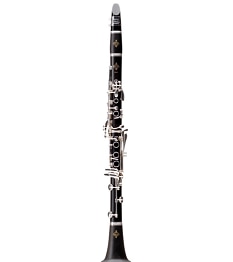
Step Up Clarinets
Clarinets are a very popular beginner instrument. Student clarinets are often made of plastic. However, step up and professional clarinets are almost always crafted from wood. Wood tends to increase tone, response and resonance and as a result, overall performance. Do keep in mind that wood clarinets need a bit more care as they are more sensitive to fluctuations in heat and humidity. Beginner options normally have nickel-plated keys while higher quality ones have silver-plated keys and rings, which provide better response and texture.
Take a look at the Buffet Crampon E12 France Intermediate Bb Clarinet – it’s a great step up clarinet from a top manufacturer.
Intermediate Saxophones
Saxophones are another versatile selection with plenty of possibilities. Intermediate saxophones come in many different finishes and lacquers; they may also have lacquered keys in place of nickel-plated ones. You may also notice an an extension to a high F# for better range. Step up saxophones offer body materials that are likely to be better quality for superior sound.
You can’t go wrong with the Yamaha 62iii tenor sax for your advancing saxophonist.
Step Up Trumpets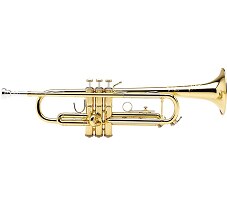

Step-up trumpets often use better alloys along with more durable plating. As well, these trumpets normally have more advanced valve construction and bore selection for better tone colors and playing range.
This Bach Intermediate trumpet has features you'd find on a professional horn, making it a great choice for the student who plans to advance their trumpet career.
Intermediate Trombones
Higher-level trombones may include an F-attachment (open and closed wrap). They usually come with bigger bore sizes for better flexibility, resonance and dexterity while playing.
Ask your student’s music educator about the Allora ATB-450 Vienna Series Intermediate Trombone.
Professional French Horns
Most students don’t start their musical careers on French horn. But, if you child chooses to double on, or switch to, the French horn, keep in mind they come in single and double-horn structures. Normally step-up horns have superior alloys, finishes and valve construction. You may want to check and see if your child's school band or orchestra has French horns on hand as they tend to be professional grade. This is a perfect way for the student to try out a high-quality horn before obtaining their own.
Intermediate Tubas and Euphoniums
Advanced tubas and euphoniums often have four valves instead of three to boost the intonation of the valve combinations. Professional tubas tend to come in varying finishes along with the choice of rotary or piston valve systems. Most school bands have these instruments on hand so the student has the option of trying one before purchasing one of their own.
Need more help with step up instruments?
With so many options available for step-up instruments, it is important for the parent and student to get feedback from instructors and retail professionals to narrow down the choices. Once you select a quality step up instrument, your child is on the path to a life-long relationship with music.
Woodwind & Brasswind is proud to offer high-quality step-up instruments and accessories for musicians of all ages and abilities. All products are backed by Woodwind & Brasswind's hassle free 45 day return policy, assuring that you will love the produ