
-
{
"pageUrl":"MusiciansFriendApp://ProductDetailsPage",
"pageParams":"ID=site8prod472833&isStyle=true"
}
- Product 472833
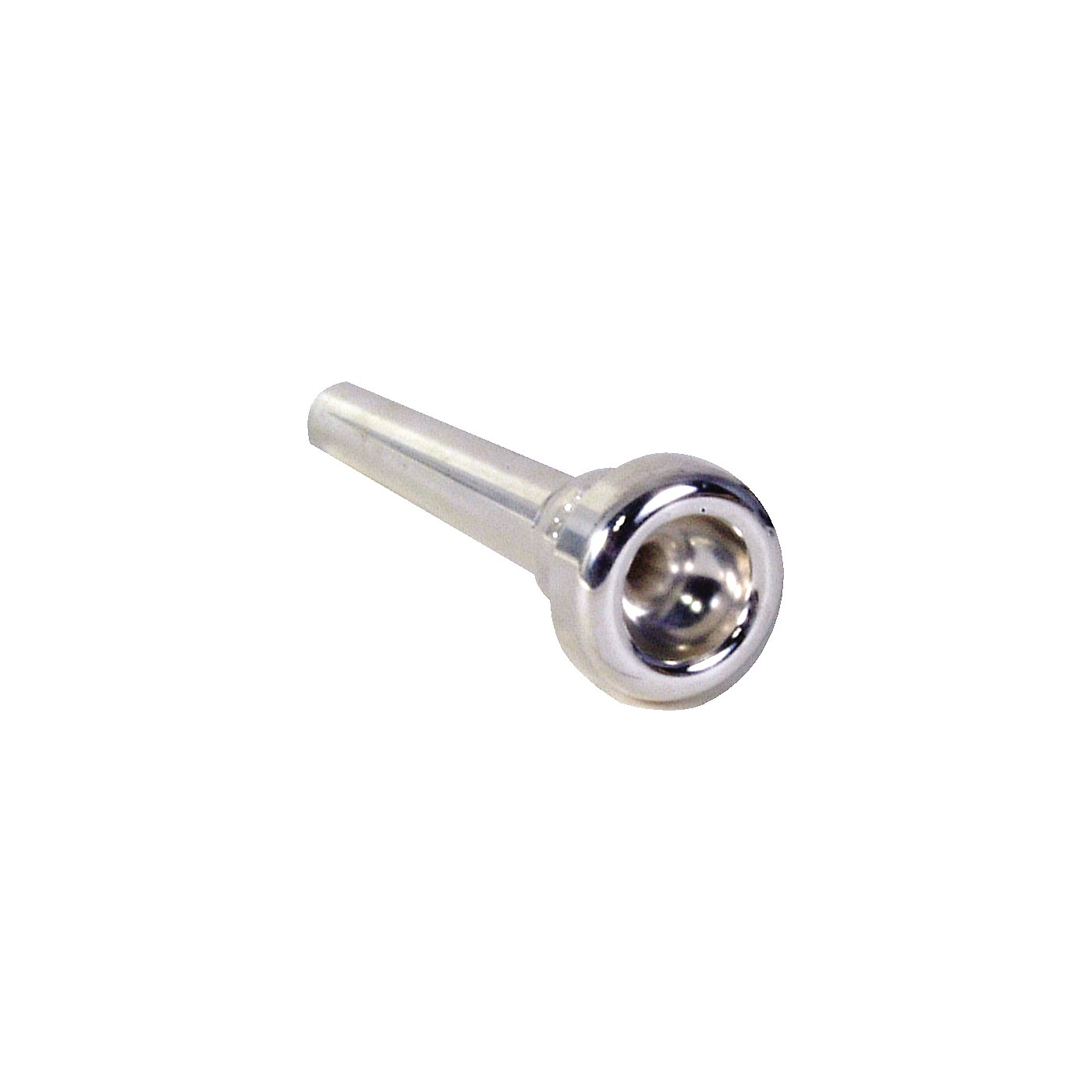
Curry Standard Line Trumpet Mouthpieces
false
false
The Curry precision mouthpieces have super high tolerances and they produce the most consistent mouthpieces in the industry. The rim and bite are ide...Click To Read More About This Product
We're sorry-this item is unavailable.
Find a similar product below or contact our experts for a recommendation of great alternatives. Call us at 800.348.5003.
Customers Also Viewed:

Super-High Tolerances produce the most consistent mouthpieces in the industry!
The Curry precision mouthpieces have super high tolerances and they produce the most consistent mouthpieces in the industry. The rim and bite are identical for all cups in a given diameter. This allows for effortless switching. Classic mouthpieces are high-tech reproductions of 30 plus year old originals.
Learn About Trumpet Mouthpiece Deign and Construction - HERE
The rim contours of each diameter are unique. Although each rim is consistent within it's size range (ex., Curry 1C rim contour is the same as Curry 1Z rim contour), it is much different than the 1 1/4 rim. For example, if the Curry 1 1/2 C rim is the most comfortable rim you've ever felt, but seems a little "tight", it is wrong to assume that moving to the 1 1/4 size would solve that problem. The correct solution would be to get a custom mouthpiece using the 1 1/2C rim contours. The "tightness" issue could be solved in a couple of ways. The rim profile could simply be moved a few thousandths to the outside, or perhaps the bite radius could be increased which would also give a few thousandths more room. There are others ways to get the "feel" you're looking for, but you shouldn't be concerned with that. I'm the mouthpiece maker
Inner diameter "numbers" mean very little. Most manufacturers reference charts are expressed in both inches and millimeter sizes. One "major" manufacturer's published "numbers" are totally wrong! In fact, the millimeter conversions in their manual do not match the decimal numbers! And, they've reprinted the same mistakes year after year!
The point I'm making here is that every manufacturer has different criteria for measuring the inner diameter. My personal criteria for measuring the inner diameter varies from rim to rim. In my 30 plus years of trumpet playing, I've learned that the feel of a mouthpiece can vary from rim to rim. The spot on your face where you "feel" a 1C rim is much different than the "contact point of the 1 1/2C rim. Although they only vary in "size" by a few thousandths of an inch, the difference in feel can seem like a country mile. Don't get hung up on the numbers too much. If they do matter to you, buy some dial calipers. A good enough pair (Chinese-made are just fine) of calipers will run about $60 in an industrial supply store. By the way, of my several thousand customers, I know of only 3 that own a set of calipers.
Each Cup is unique! There is no standard "C cup shape" based on my experience. The shape of the Curry 1C cup is quite a bit more "bucket" shaped than my 1 1/4C cup, which is definitely more of a "bowl" shape. The different cup depths (XS through B cups) within each size were calculated from the original C cup, the exceptions being the "Chicago" models, the Deep Cornets, the Vintage Cornets, and the Flugelhorn cups.
The "undercut" of each mouthpiece is unique! the undercut, or backbite, or whatever you want to call it, is the first slope or radius into the cup from the bite (GR Technologies expresses this as the "alpha" angle.) This is the most misunderstood and least discussed area of the mouthpiece. It is the most important part of the mouthpiece in three respects:
Clear Articulation. A mouthpiece with a "soft" undercut can hinder clean attacks and slurs. this is usually because players with moderate lip intrusion can feel the inside of the cup with their lips. This results in a "blurred release point" from which the embouchure has trouble vibrating freely. This can result in missed notes and a veiled sound. As the players lip's swell, this problem becomes even more pronounced.
Embouchure support. Most players, to some degree, use the undercut to either close or open the aperture. This can vary from player to player, depending on their embouchure strength, teeth formation, and their approach to playing the instrument. The ideal undercut allows both clean articulation and will provide embouchure support when the players needs it.
Total Cup Volume. The undercut angle, being at the "widest" inside diameter of the trumpet cup, can dramatically affect the cup volume of the mouthpiece. this is why a Curry 600 series 60M has much the same cup volume of the Curry 3C. This might be a difficult concept for some of you to grasp, but some Bach 3C players who buy the "shallower" Bach 3D thinking that it might be the "perfect" piccolo mouthpiece are usually disappointed. Although, the bottom of the 3D cup is indeed "shallower", the undercut angle of the 3D is much more "severe" and actually results in a larger cup volume than the 3C!
The rim contours of each diameter are unique. Although each rim is consistent within it's size range (ex., Curry 1C rim contour is the same as Curry 1Z rim contour), it is much different than the 1 1/4 rim. For example, if the Curry 1 1/2 C rim is the most comfortable rim you've ever felt, but seems a little "tight", it is wrong to assume that moving to the 1 1/4 size would solve that problem. The correct solution would be to get a custom mouthpiece using the 1 1/2C rim contours. The "tightness" issue could be solved in a couple of ways. The rim profile could simply be moved a few thousandths to the outside, or perhaps the bite radius could be increased which would also give a few thousandths more room. There are others ways to get the "feel" you're looking for, but you shouldn't be concerned with that. I'm the mouthpiece maker
Inner diameter "numbers" mean very little. Most manufacturers reference charts are expressed in both inches and millimeter sizes. One "major" manufacturer's published "numbers" are totally wrong! In fact, the millimeter conversions in their manual do not match the decimal numbers! And, they've reprinted the same mistakes year after year!
The point I'm making here is that every manufacturer has different criteria for measuring the inner diameter. My personal criteria for measuring the inner diameter varies from rim to rim. In my 30 plus years of trumpet playing, I've learned that the feel of a mouthpiece can vary from rim to rim. The spot on your face where you "feel" a 1C rim is much different than the "contact point of the 1 1/2C rim. Although they only vary in "size" by a few thousandths of an inch, the difference in feel can seem like a country mile. Don't get hung up on the numbers too much. If they do matter to you, buy some dial calipers. A good enough pair (Chinese-made are just fine) of calipers will run about $60 in an industrial supply store. By the way, of my several thousand customers, I know of only 3 that own a set of calipers.
Each Cup is unique! There is no standard "C cup shape" based on my experience. The shape of the Curry 1C cup is quite a bit more "bucket" shaped than my 1 1/4C cup, which is definitely more of a "bowl" shape. The different cup depths (XS through B cups) within each size were calculated from the original C cup, the exceptions being the "Chicago" models, the Deep Cornets, the Vintage Cornets, and the Flugelhorn cups.
the "undercut" of each mouthpiece is unique! the undercut, or backbite, or whatever you want to call it, is the first slope or radius into the cup from the bite (GR Technologies expresses this as the "alpha" angle.) This is the most misunderstood and least discussed area of the mouthpiece. It is the most important part of the mouthpiece in three respects:
Clear Articulation. A mouthpiece with a "soft" undercut can hinder clean attacks and slurs. this is usually because players with moderate lip intrusion can feel the inside of the cup with their lips. This results in a "blurred release point" from which the embouchure has trouble vibrating freely. This can result in missed notes and a veiled sound. As the players lip's swell, this problem becomes even more pronounced.
Embouchure support. Most players, to some degree, use the undercut to either close or open the aperture. This can vary from player to player, depending on their embouchure strength, teeth formation, and their approach to playing the instrument. The ideal undercut allows both clean articulation and will prove.